
 +82-2-3496-9783


Hello! This is Tami from ID Hospital 😊
Wondering if your nose shape affects your rhinoplasty plan?
The answer is a definite yes.
Everyone has a different nose:
some have a low bridge, some have thick skin,
some have wide tips or curved cartilage.
That’s why at ID Hospital,
we design each nose shape rhinoplasty procedure
based on your unique anatomy and aesthetic goals.
Let me walk you through the 5 most common nose types,
and how we personalize surgery for each one 💫
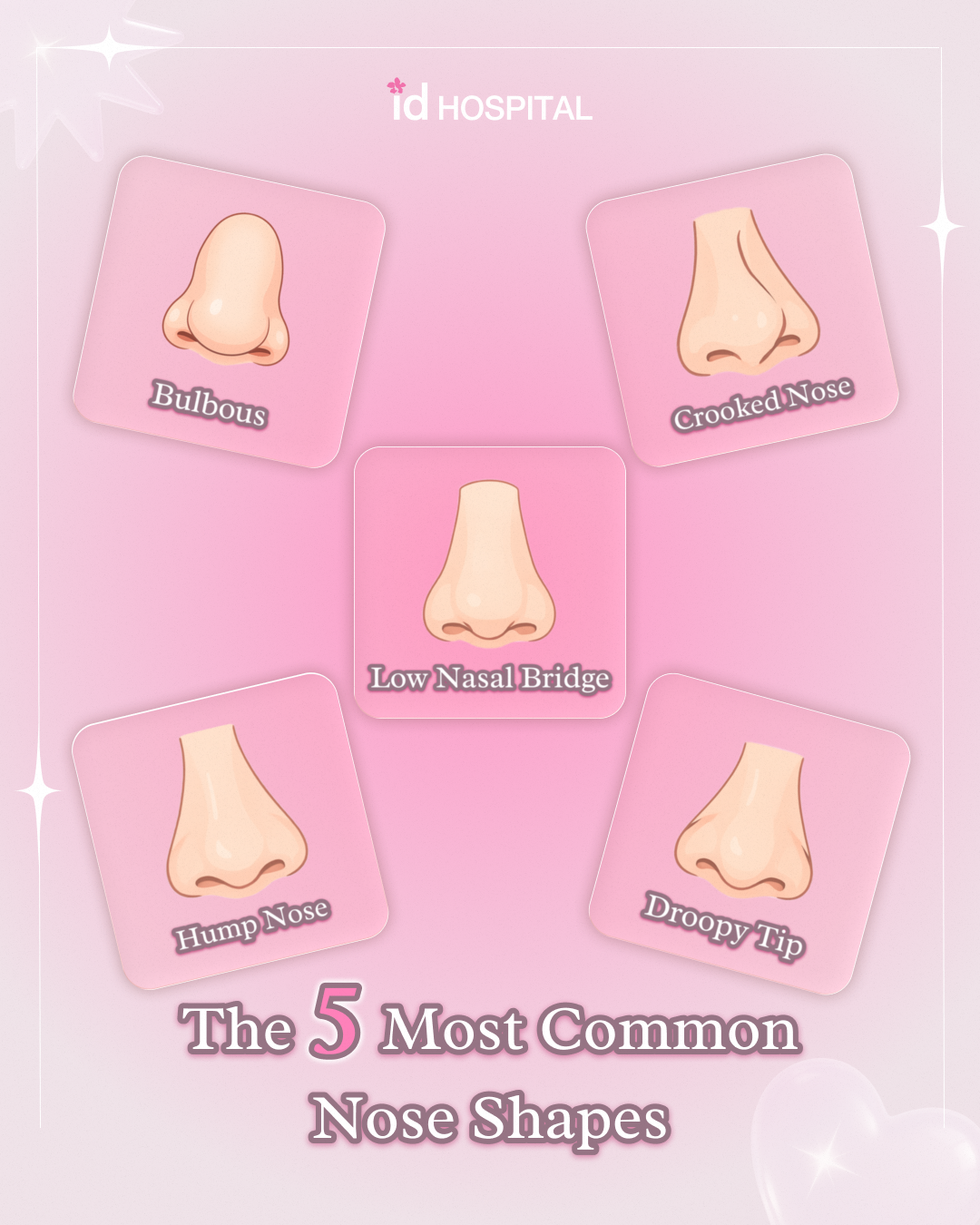
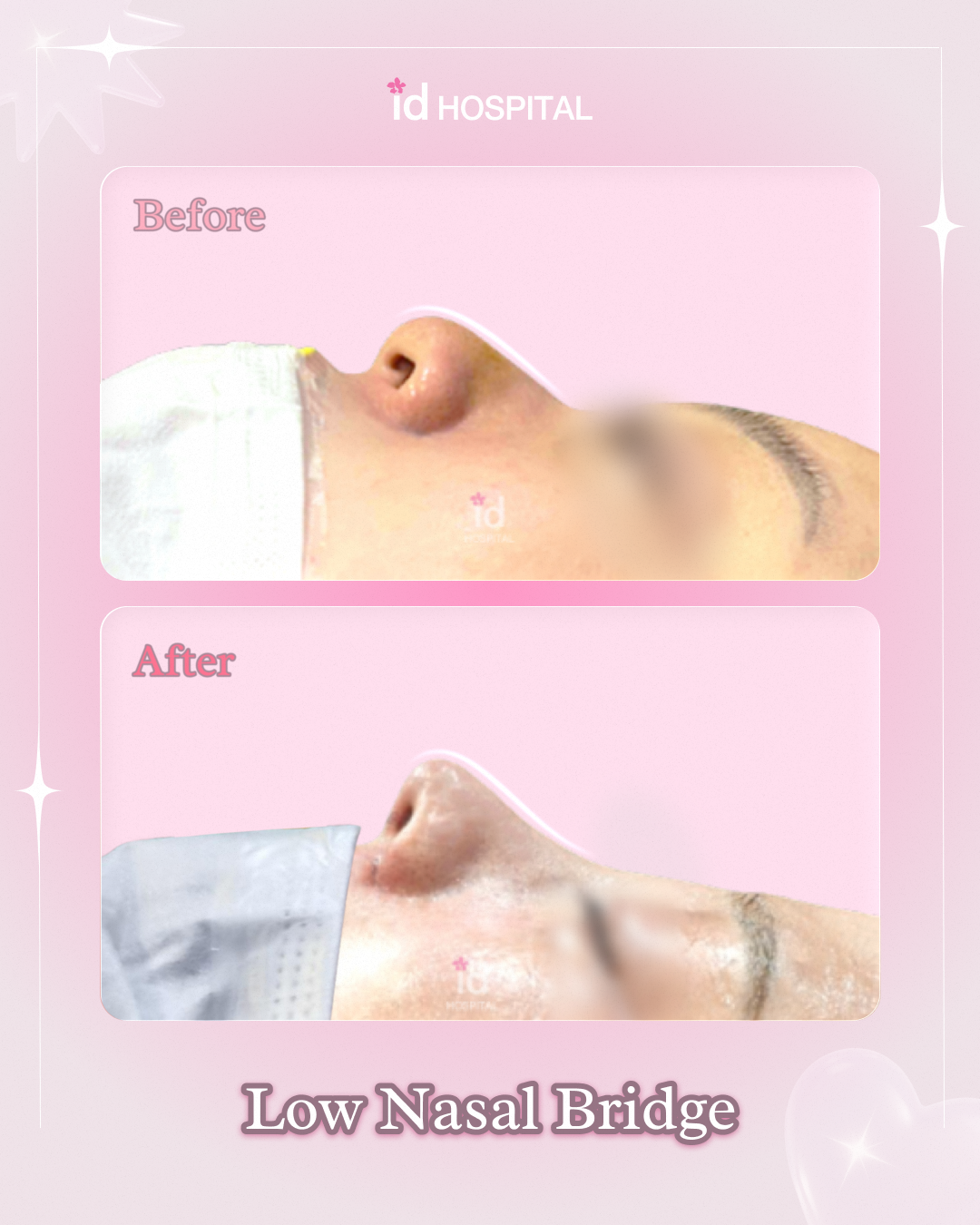
✨Low Nasal Bridge
Common in Asian patients, often results in a flat facial profile
Recommended rhinoplasty method:
– Augment the bridge using silicone or dermal grafts
– Create a natural, smooth line from the forehead to the tip
💡 Tip from ID Hospital
A high nose bridge isn’t always the goal —
balance with your forehead and face shape is what makes it beautiful.
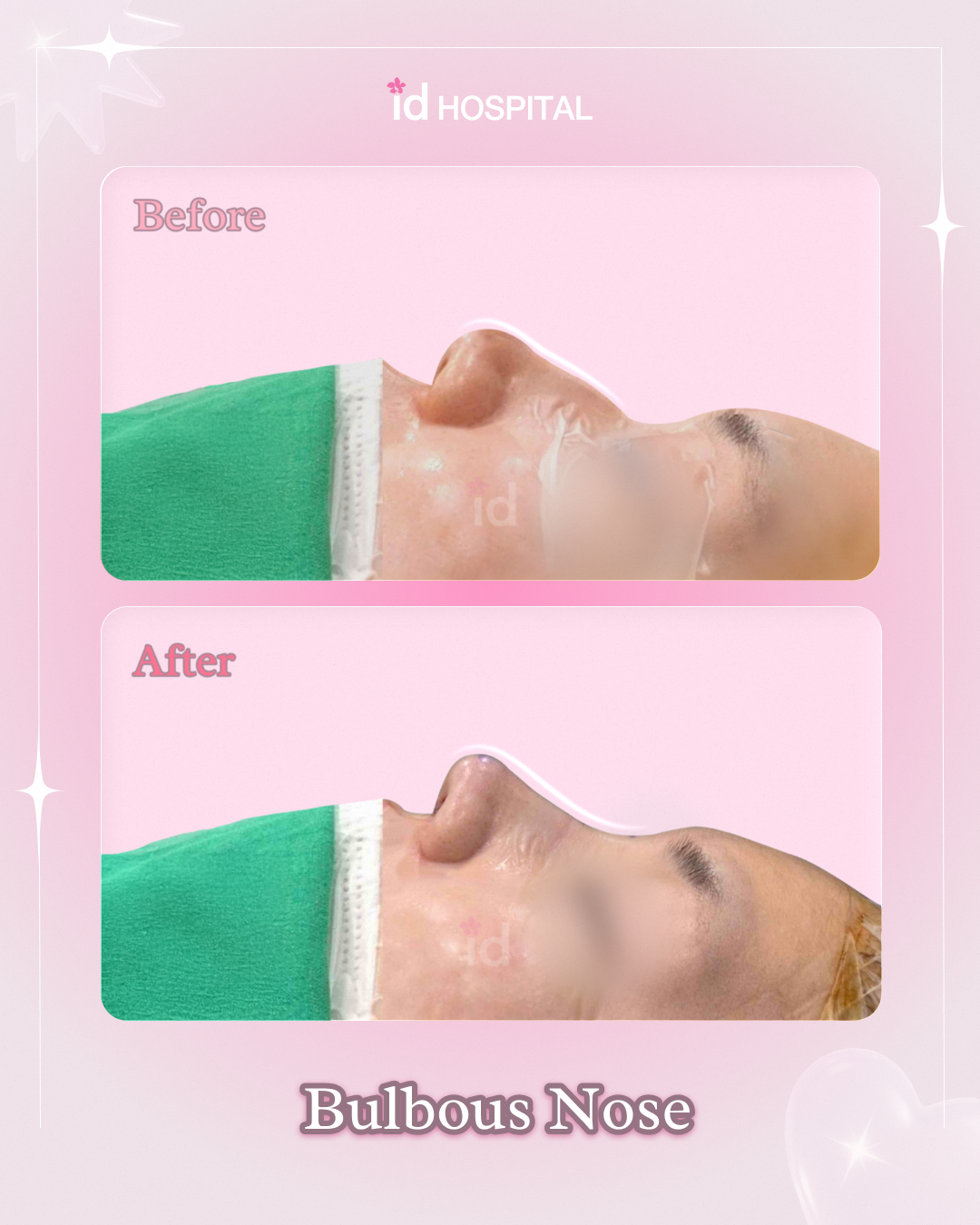
✨Bulbous Nose
Common in patients with thicker or oily skin.
The nasal tip often looks round and lacks clear definition.
Recommended rhinoplasty method:
– Reduce excess soft tissue under the skin
– Refine and support the cartilage structure
– Slightly lift the tip to improve definition and create a more sculpted 3D effect
💡 Tip from ID Hospital
It’s not just about refining the cartilage framework —
properly managing skin thickness is key to a refined and lasting result.
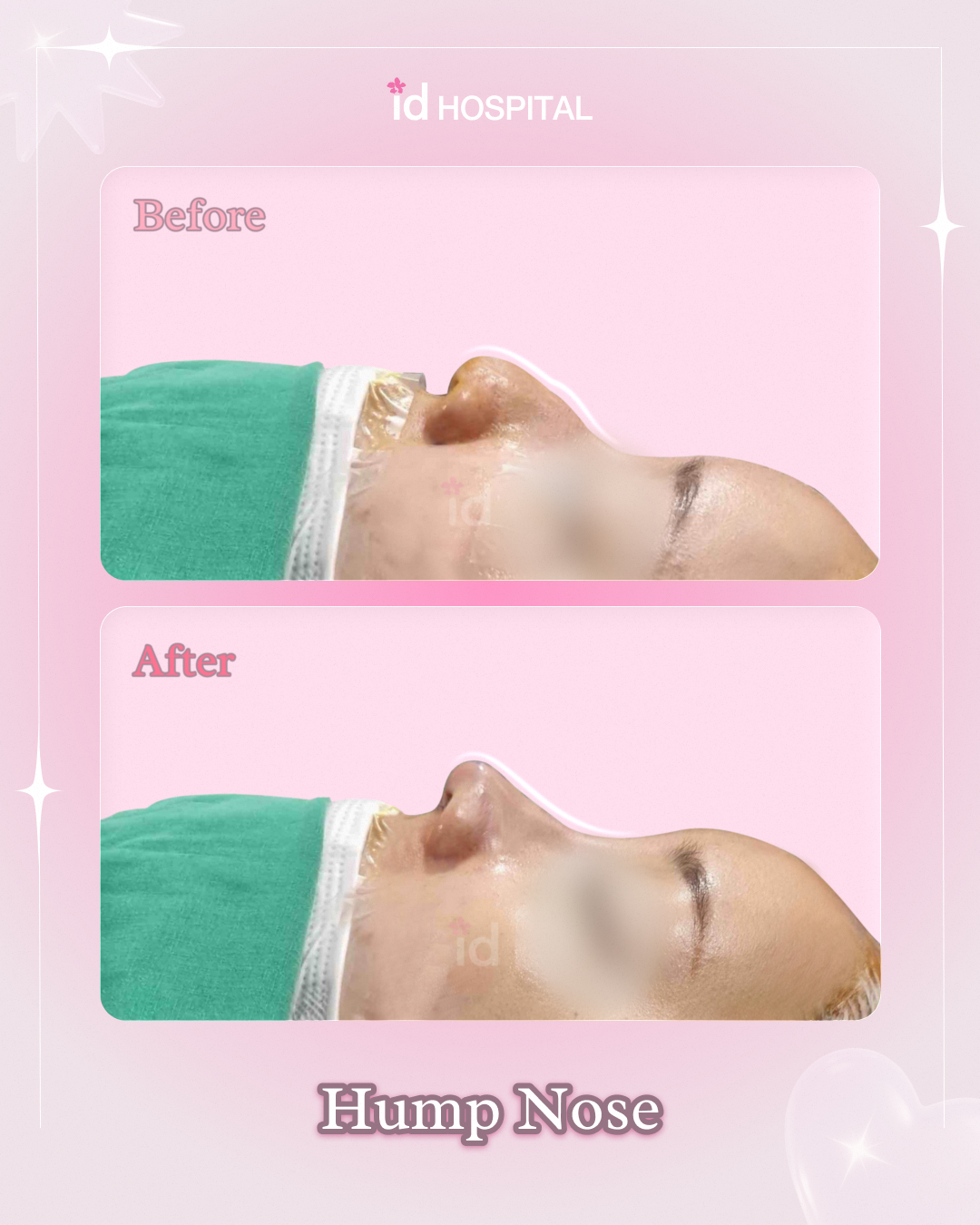
✨Hump Nose (Dorsal Hump)
A visible bump on the nasal bridge, noticeable from the side view
Recommended rhinoplasty method:
– Reduce the protruding bone or cartilage
– Smooth the bridge line and refine the overall angle
💡 Tip from ID Hospital
Over-reducing can make the nose look flat —
we aim for a soft, natural curve instead.
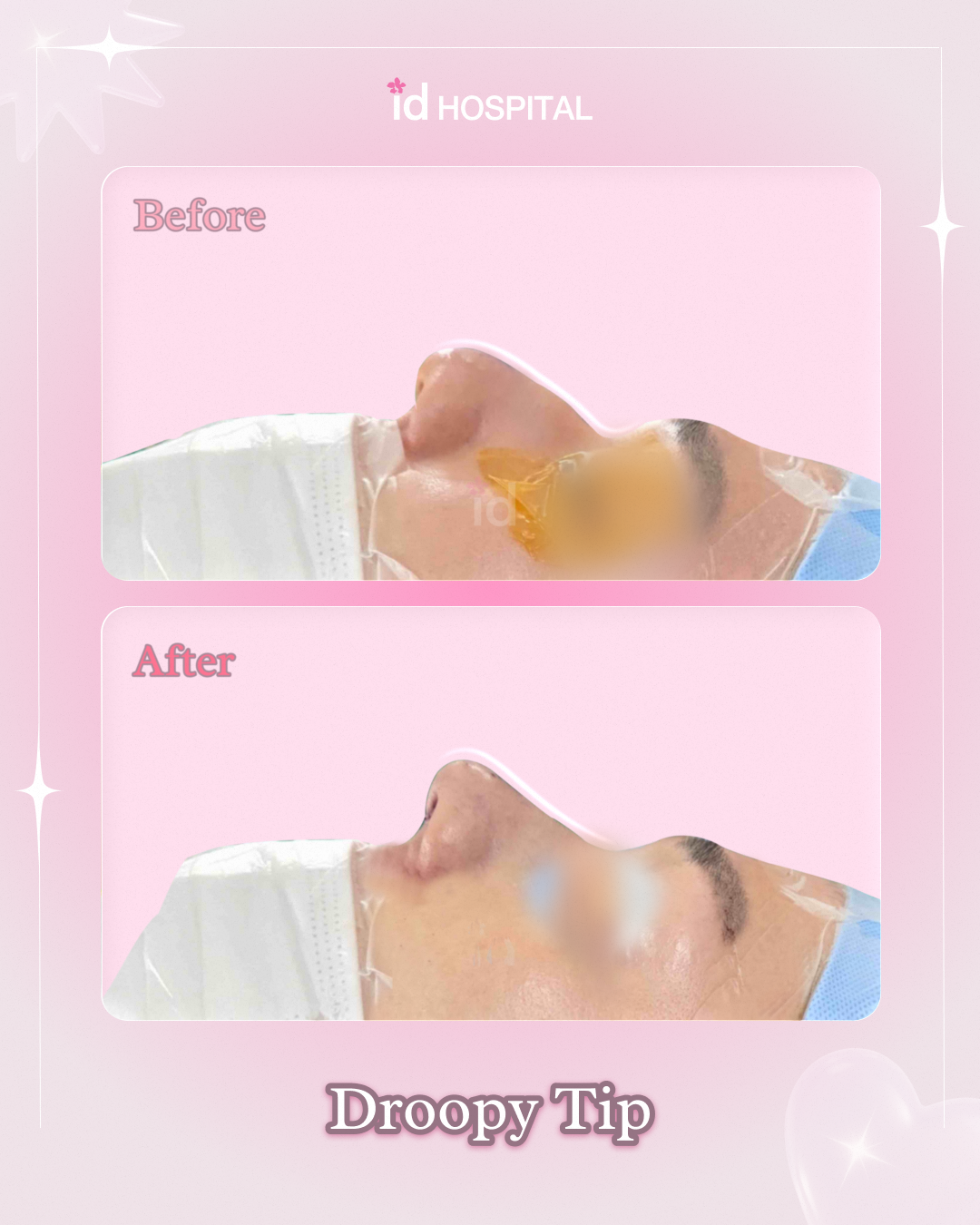
✨Droopy Tip
The tip droops downward, especially when smiling
Recommended rhinoplasty method:
– Support the tip with strong grafts
– Rotate the angle upward, and sometimes release upper lip muscles
💡 Tip from ID Hospital
Just a small lift in the tip can soften your entire facial impression.
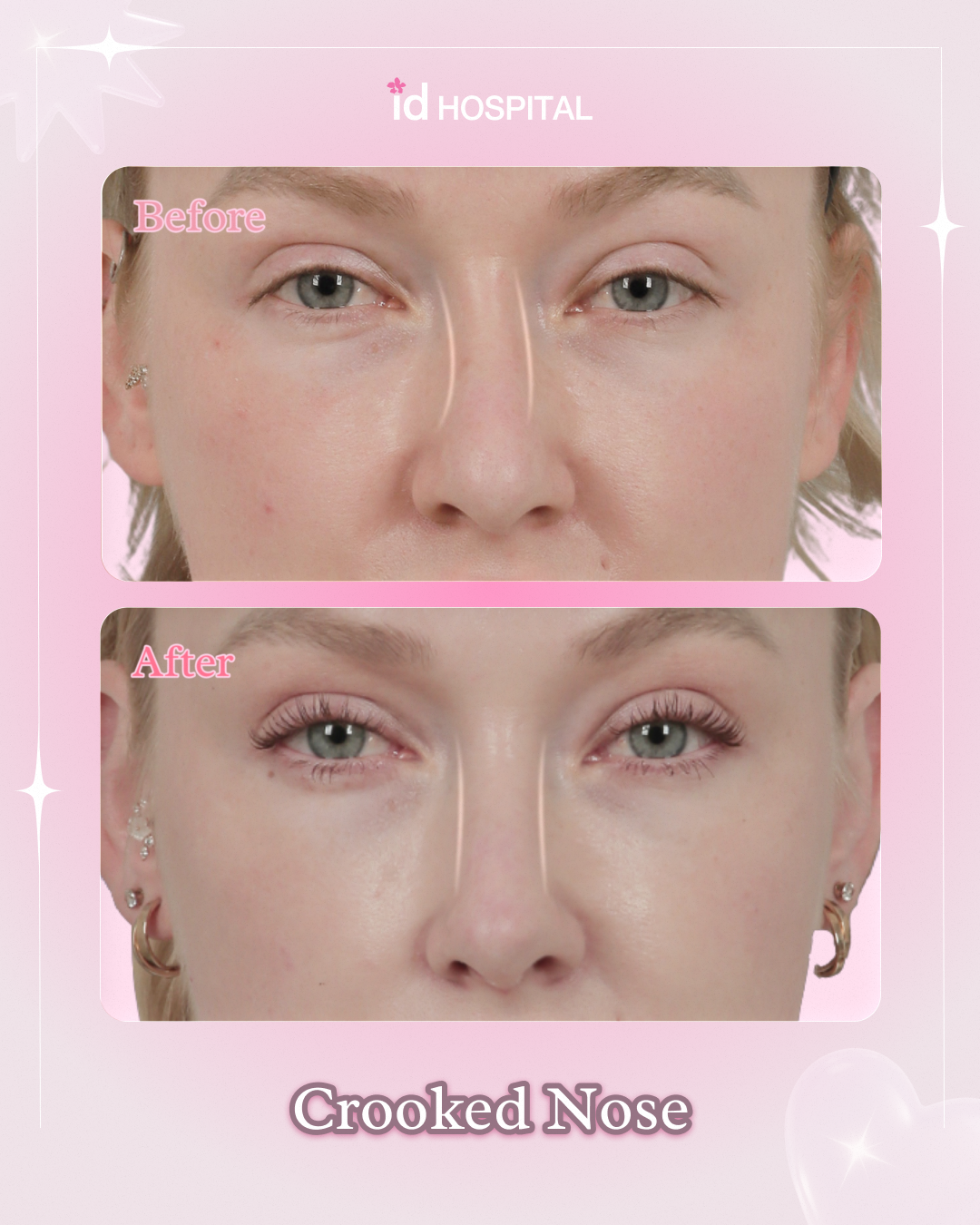
✨Crooked Nose
The nose appears slanted or asymmetrical
when viewed from the front
Often caused by a deviated septum
Recommended rhinoplasty method:
– Realign bone and cartilage
– Correct internal structures for both shape and breathing
💡 Tip from ID Hospital
It’s not only about how it looks —
we always check if the inside is straight and functional too!
📸 Want to See Real Before & After Photos?
See real results from our nose shape rhinoplasty cases:
👉 View Korean rhinoplasty gallery at ID Hospital
(You’ll find all kinds of nose shapes and transformations!)
🙋 What’s Your Nose Shape?
Most people actually have a mix of types —
like a low bridge and a bulbous tip,
or a deviated nose with thick skin.
That’s why we always recommend:
✔ 3D-CT facial scanning
✔ Skin & cartilage assessment
✔ Full-face harmony analysis
So we can give you the most customized plan possible.
🌸 Final Thoughts:
Your Nose, Your Design
Every face is different.
And so is every ideal nose.
At ID Hospital, we don’t create one “perfect” nose.
We help you find the one that’s perfect for you.
Have questions or not sure where to start?
📩 Feel free to message us anytime —
no pressure, just honest advice.
❓ FAQ: Nose Shape Rhinoplasty at ID Hospital
1. Can I choose any nose shape I want?
At ID Hospital,
we believe in designing a nose that enhances your natural beauty —
not copying someone else’s.
You’re welcome to bring reference photos,
and we’ll create a plan that fits your bone structure,
skin type, and overall facial harmony.
We don’t do “one-size-fits-all” surgery 😊
2. How long is recovery after nose shape rhinoplasty?
Most patients stay in Korea for about 7–10 days after surgery.
Initial swelling goes down within 2–3 weeks,
and the nose shape continues to refine over 3–6 months.
At ID Hospital,
we provide customized recovery plans for international patients,
including gentle care treatments and real-time healing check-ins.
3. Do I need to fix the inside of my nose too?
In some cases — yes!
If you have a crooked nose, hump, or droopy tip,
we often check for functional issues like a deviated septum
or breathing difficulties.
Our surgeons can correct both the appearance
and internal structure
in a single procedure —
no need for multiple surgeries.
This blog focused on nose shape and aesthetics —
But what if your nose is affecting your breathing, too?
👉 Click here to read about Functional Rhinoplasty in Korea.


Leave a Reply